تقوية الكوادر، ترسيخ الخدمة، تحقيق أنصار لوماجانغ ذات الأثر
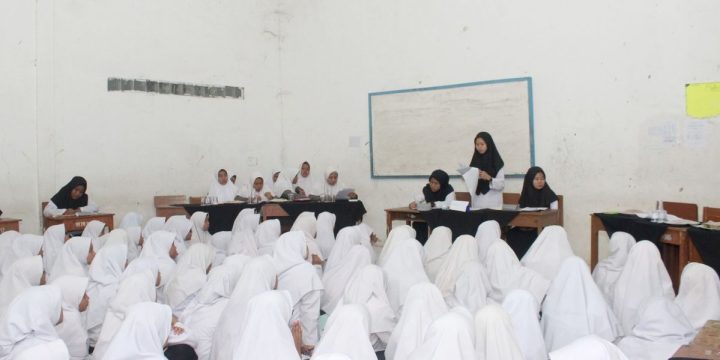
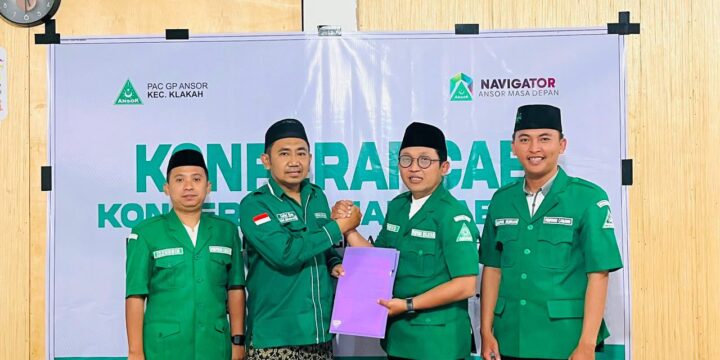
بقلم: الدكتور عبد الودود نفيس لا يكفي أن تُبنى الحركة الشبابية على الحماس وحده، بل تحتاج إلى كوادر قوية، وقيم راسخة، وتوجّه خدمي واضح. وفي سياق منظمة "أنصار نهضة العلماء"، تُعد التكوينية والخدمة ركيزتين أساسيتين لإقامة منظمة ليست فاعلة داخلياً فحسب، بل قادرة أيضاً على تقديم منافع حقيقية للمجتمع. يحمل شعار "تقوية الكوادر، ترسيخ الخدمة، تحقيق أنصار لوماجانغ ذات الأثر" رؤية استراتيجية. هناك ثلاث كلمات مفتاحية مترابطة: الكوادر، والخدمة، والأثر. فالكوادر القوية تنتج خدمة نوعية، والخدمة النوعية تُحدث أثراً إيجابياً في المجتمع. ١. تقوية الكوادر: بناء جيل ذي شخصية وكفاءة الكوادر هي قلب المنظمة. وتقوى المنظمة إذا امتلكت كوادر ذات عقيدة راسخة، وأخلاق كريمة، ورؤية واسعة، وكفاءة مناسبة، وولاء لنضال المنظمة. لا ينبغي أن يتوقف تقوية كوادر "أنصار لوماجانغ" عند الأنشطة الشكلية والإدارية، بل يجب إعداد الكوادر ليكونوا جيلاً قادراً…